Free Guide
4 Leadership Habits That Prevent Burnout Before It Starts

A crazy idea occurred to me a few weeks ago. On a Sunday morning, I was working the third book of my trilogy (following Choice and Lost Illusion), and the story just wasn’t going anywhere. One morning, I wrote 2 sentences in one hour — talk about writer’s block!
I really wanted to get at least another sentence down before taking a break, but my Labrador Shiny reminded me that it was time for her morning walk. So, out we went into the snow-covered streets. I kept thinking about spring, and felt a deep longing to see the pink and white blossoms that line my neighborhood.
Then, it occurred to me that I couldn’t make flowers grow, but I could draw them. I have been drawing and painting on and off during my adult life. I usually made them as gifts for family. But to take time away from writing for art, seemed like serious procrastination.
Yet, later that day, I felt drawn (pun intended) to an online course about creating flowers with colored pencils. The lesson I picked showed how to draw a yellow and pink dahlia. Over the next few days, I cleared off my table, got my supplies organized, and drew the flower in light pencil. When I finally got around to start shading, I began with a light, creamy yellow. As my colored pencil began filling in the petals of the flower, my mind drifted back to my book. I unconsciously played around with the characters and the plot. And while I was still drawing, the story started to move ahead in my mind.
I was writing my book, without actually typing.
This wasn’t the first time that I had experienced intuitive ideas about my writing when I wasn’t in front of a computer. We all get ideas in the shower, while walking, cooking, or doing housework. The reason is that when we take a break from working and engage in these activities, we turn on the Default Mode Network in the brain. This network is associated with mind-wandering and aha-moments.
But there is something magical about drawing. Our minds still wander, but in a guided way because we’re creating something. We involve both sides of our brain, which help us with emotional insights. Have you ever noticed that when you talk things out you feel better? That’s also because you’re using both sides of your brain, opening up creative channels.
This is why drawing can feel relaxing in stressful times. Different colors also activate different moods – it’s no coincidence that on a cold wintry day, I felt pulled toward a bright yellow and pink flower.
I have read about this connection in several articles and books, but I didn’t know anyone else who practiced it – that is until I met fellow Hungarian writer and coach, Dr. Zsuzsanna Fajcsak-Simon. She is the Founder of the Alive Program, and a thought-leader in integrative health.
We connected casually on Facebook and a few weeks later we hopped on a call to learn more about each other’s works. Dr. Zsu, as she likes to be called, mentioned that she often incorporates art into her coaching methods.
“I like to draw too,” I said casually. “In fact, I think it helps me with my writing.”
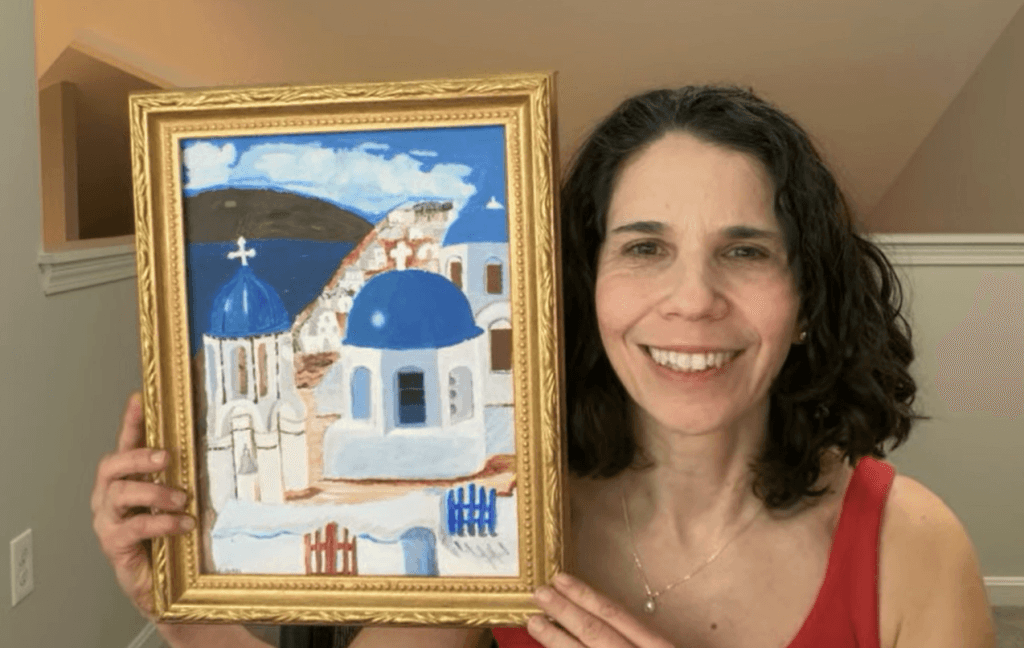
I expected a confused look, which is what I’ve gotten in the past when I talked about this connection.
But Dr. Zsu listened with great interest, and shared the transformative power of art in her and her coaching clients’ lives. She draws and paints regularly, and it’s a way for her to open up her creative channels.
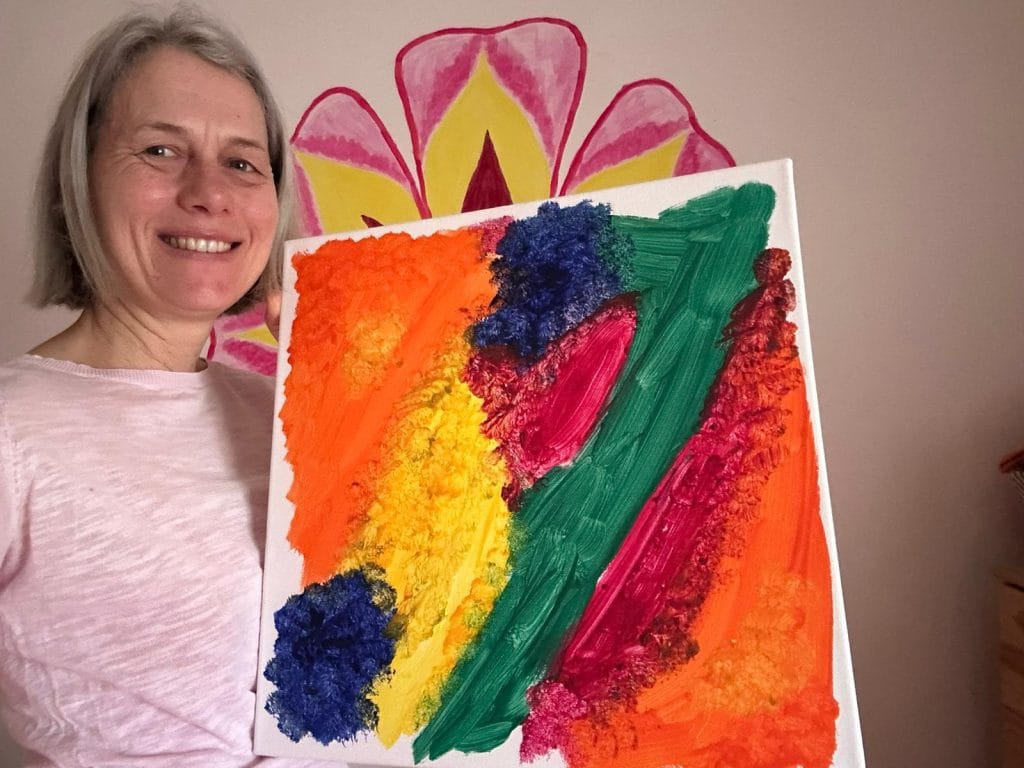
The beautiful thing about drawing or painting as a creative exercise, is that the end product doesn’t matter. There’s no such thing as a bad or good art, because what you’re really after is the inner transformation. Making art can help with processing emotions, improving your mood, and getting creative insights that can resolve difficult situations in your life.
The next time you feel drawn to do something creative, listen to that inner voice. Follow its gentle guidance. It might just unlock your next idea.